UAT Release Notes – Invoicing CR to support collection mode at Payment

Kirsten DApril 22, 2026

Tags:
Lorem ipsum dolor sit amet. Nibh ultricies senectus sed faucibus.
As a financial leader in Insurance, you are responsible for more than clean books. You are accountable for audit readiness, operational oversight, and choosing partners who protect your agency from compliance risk. PCI compliance goes beyond IT. It directly impacts how your payment data is handled, stored, and secured across every partner you rely on. This checklist helps you evaluate whether your payment partners, including platforms like AndDone, meet the standards your finance team needs to stay accurate, in control, and audit-ready.
PCI compliance for your insurance agency starts with clearly defining scope and ownership. Finance teams must understand every system, workflow, and vendor involved in accepting, processing, refunding, or adjusting card payments, especially when payment activity extends beyond internal systems.
Finance leaders should inventory every touchpoint where card data could appear, including:
Just as important as defining ownership, PCI compliance in insurance depends on documented internal accountability and clearly outlined third-party vendor compliance responsibilities. While technical controls may live with IT teams or vendors, finance remains responsible for oversight.
Finance leaders should document:
Understanding how card data is handled is essential for limiting compliance burden.
Key areas to review include:
Platforms that rely on tokenization and limit data exposure help finance teams reduce audit scope while maintaining reporting visibility. Less exposure means fewer controls to manage and fewer questions to answer later.
Finance teams should confirm these controls are applied consistently across collections, refunds, and payment adjustments, not only initial transactions.
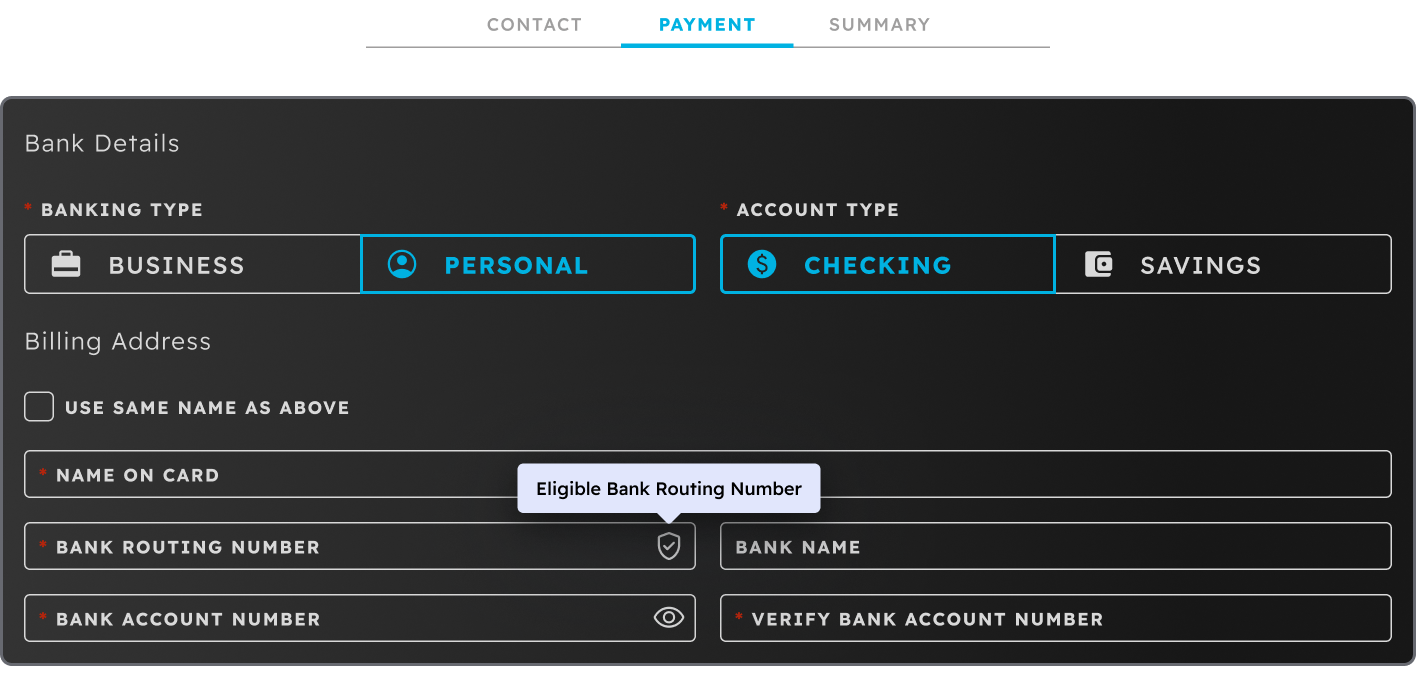
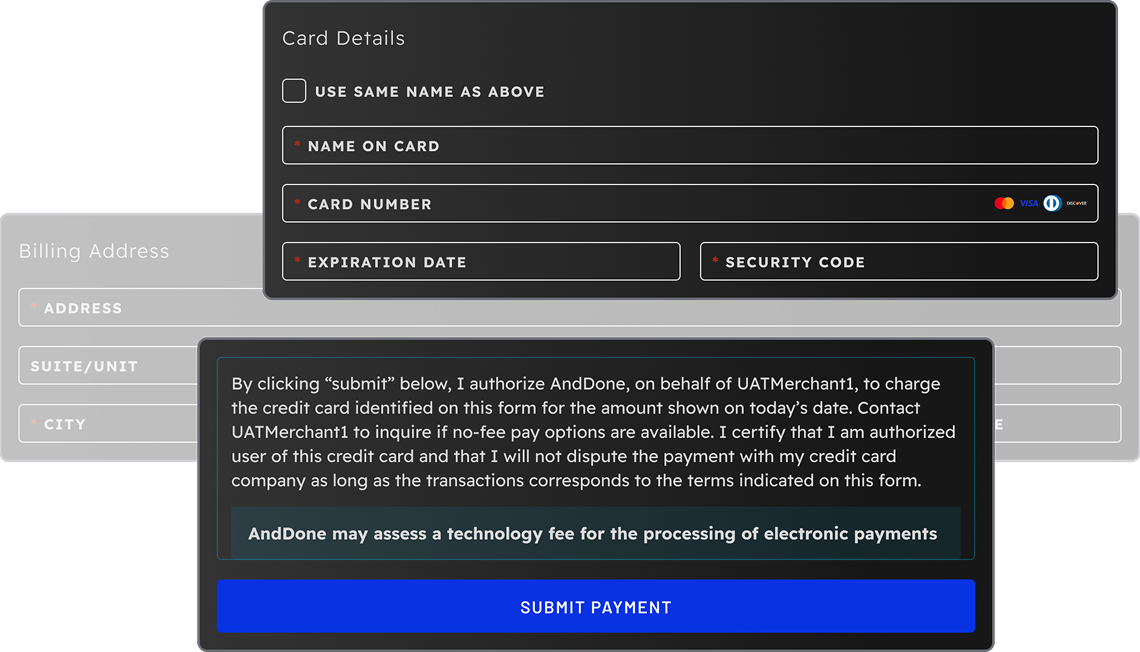
Look for platforms such as AndDone that tokenize payment data at capture and avoid storing raw card information to reduce audit scope and limit risk.
Access control is both compliance and financial security.
Finance teams should regularly review:
Role-based permissions and access logs protect against internal risk and support clean audit trails in platforms like the AndDone Portal.
Reconciliation is where compliance becomes operational.
Strong payment workflows support:
Manual reconciliation increases compliance risk. Finance teams benefit from systems that support daily reconciliation.
When payment records are tied to policies and customers with time-stamped logs, reconciliation becomes faster and more accurate.
Refunds, chargebacks, and adjustments are part of every payment operation. But when they aren’t documented or visible, they become compliance risks.
Finance teams should ensure:
Auditors focus on the moments when processes break. That’s why visibility matters.
Exception workflows should stay connected to the original transaction and remain visible to the full team. This makes it easier to demonstrate control, even when workflows don’t follow the standard path.
Third-party vendors are part of your compliance footprint. As industry coverage regularly highlights, payment complexity in insurance often increases when responsibility for data handling and reporting is spread across multiple platforms and partners. Finance leaders should verify each vendor’s PCI status and document third-party service provider responsibilities across data handling, reporting, and audit support.
Key areas to confirm include:
When vendors manage payment data correctly, finance teams stay in control without taking on extra compliance work. The right platform provides visibility, reporting, and audit support without adding PCI scope to your internal systems.
¢Ã¢â€š¬Ã…“At least I have the payment details, and I have no PCI compliance burdens.¢Ã¢â€š¬
— Chase Courtney, Vice President of AndDone
The right partner keeps finance in control without adding technical PCI risk. In this short video, Chase Courtney from AndDone shares how their team helps reduce audit complexity by managing tokenization, routing, and reconciliation in one system.
Audit readiness depends on evidence that reflects how your business actually operates.
Finance teams should centralize:
Evidence should remain current and aligned with live workflows, because faulty or outdated records can directly lead to compliance problems and audit obstacles. When documentation matches real operating conditions, audits move faster.
PCI compliance in your insurance agency must remain current as systems, vendors, and workflows change.
Finance leaders should:
Routine reviews prevent compliance drift and reduce last-minute remediation. Keeping PCI oversight tied to financial operations supports consistent audit readiness throughout the year.
Keeping reviews aligned with financial operations helps reduce compliance gaps. Systems like AndDone bring reporting, access controls, and vendor documentation together in one place.See how it works in practice by requesting a demo.
Frequently Asked Questions
AndDone clearly defines PCI scope, limits exposure with tokenization, and provides access controls and real-time reporting that simplify audits
PCI compliance affects how payment data is captured, stored, and reconciled. Audits require documented processes, access logs, and secure systems. Gaps in oversight increase audit risk.
While IT or operations manage technical controls, finance leaders own vendor accountability, reconciliation accuracy, and centralized audit evidence across internal teams and partners.