

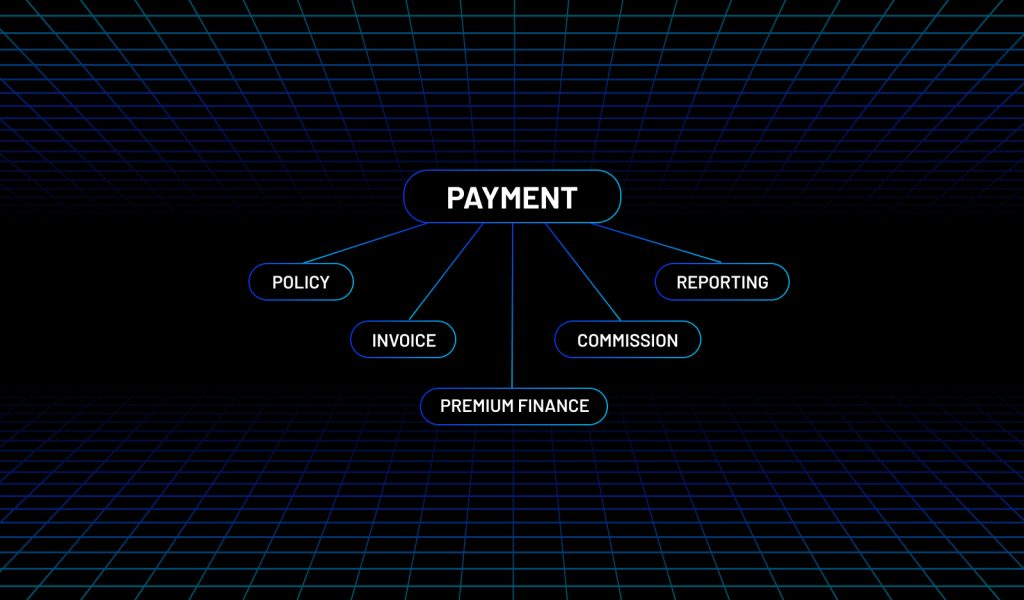
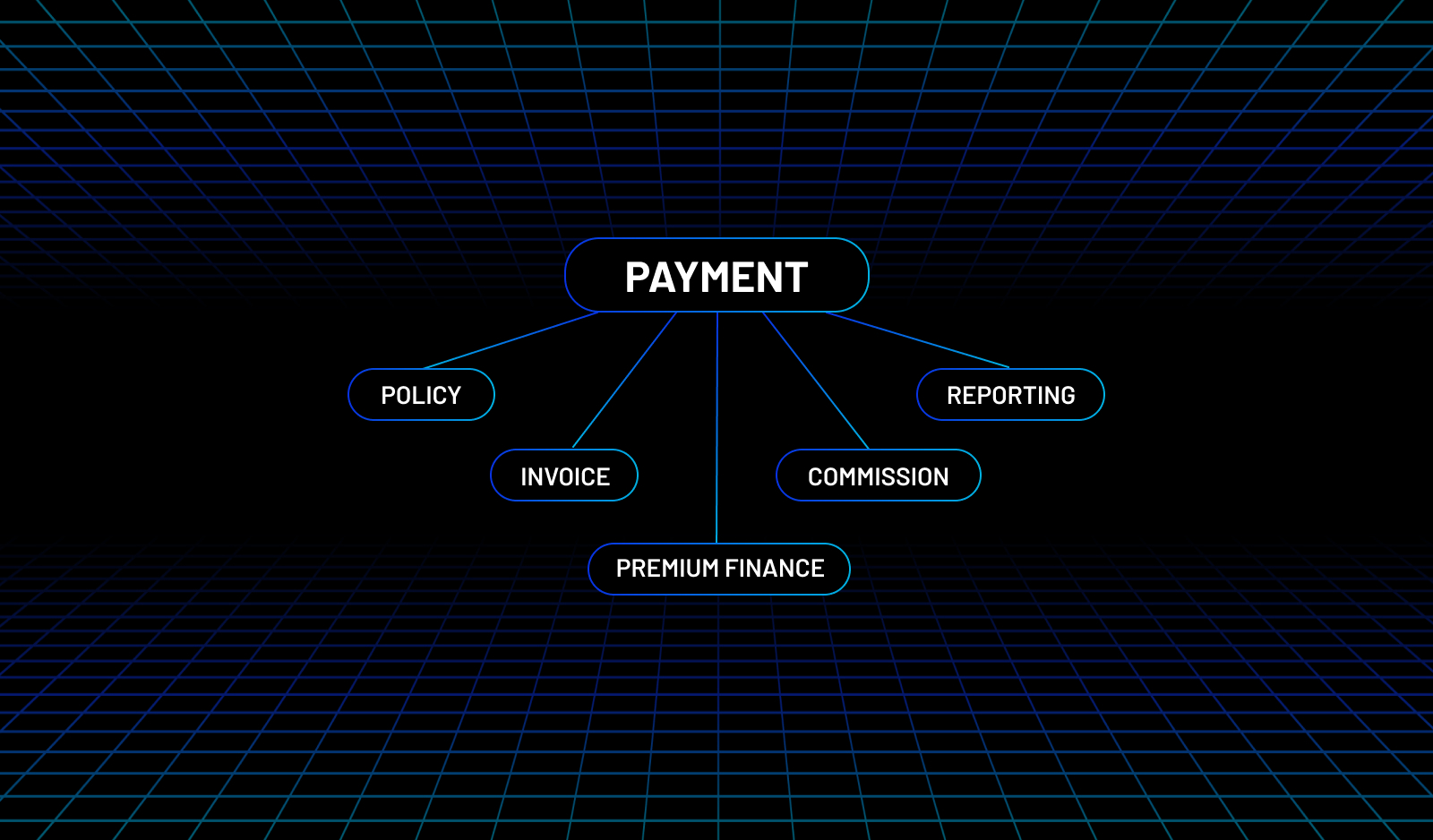
Insurance Payments Are Not Generic Payments

Chase CourtneyJuly 24, 2026

There is a part of the payment experience most customers never see, and it matters a lot.
The developer experience.
If you are an insurance organization, platform, agency system, MGA technology team, or insurtech partner, the quality of the integration experience shapes much of what happens after it. When developers have clear documentation, practical examples, testable endpoints, and reusable tools, they move faster and build with more confidence. When they do not, the project slows down before the customer ever touches the payment experience.
That is why developer experience is now part of the product.
It is not only a technical support function. It is part of how payment platforms earn trust.
A good developer experience answers basic questions quickly:
Those questions matter because developers are often the people turning a business idea into a working experience. If the goal is to embed payments into an existing insurance process, the developer experience has to be strong enough to support that ambition.
This matters because insurance organizations do not all want to use payment technology the same way.
A modern payment partner should support those paths without forcing every customer into the same implementation model.
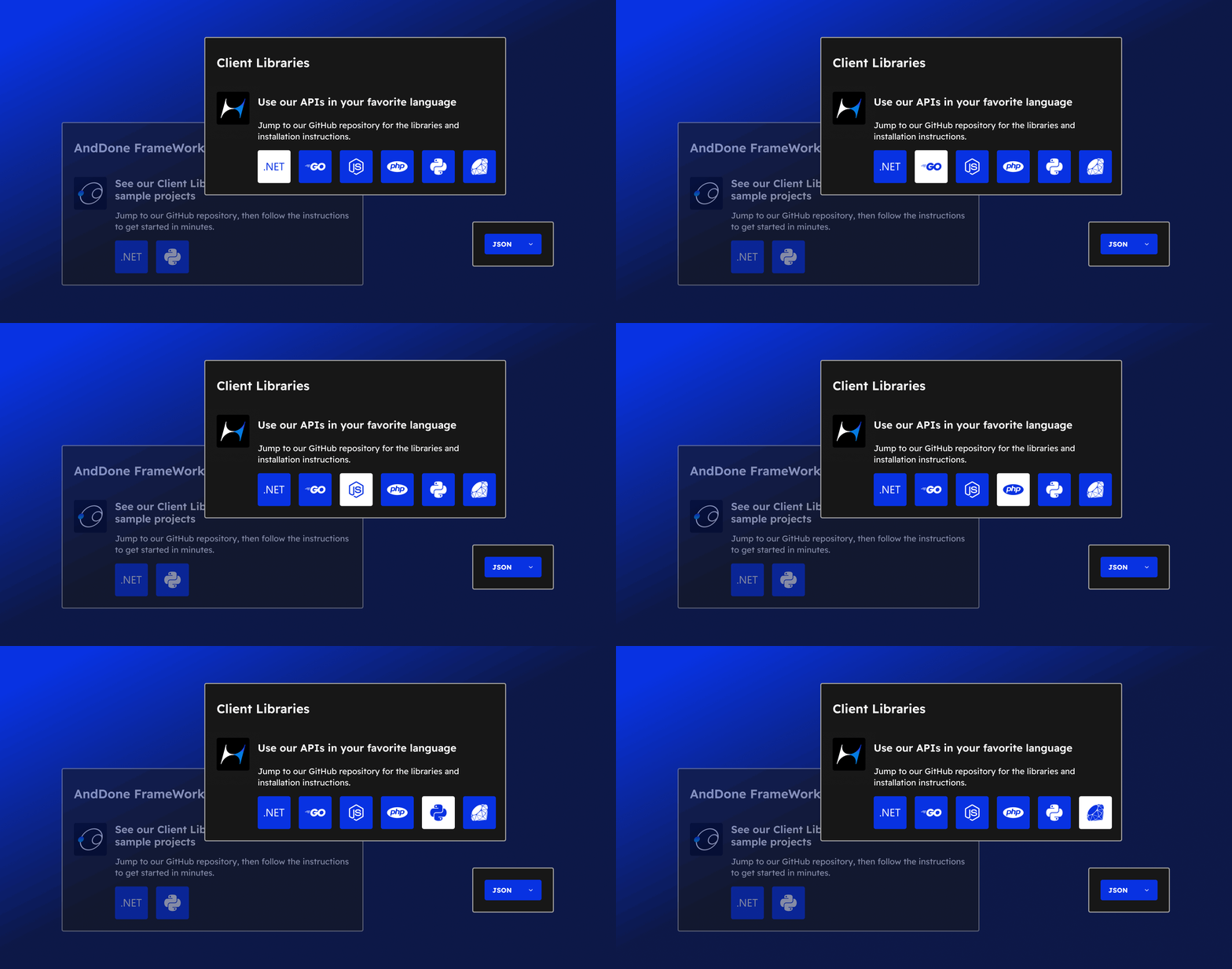
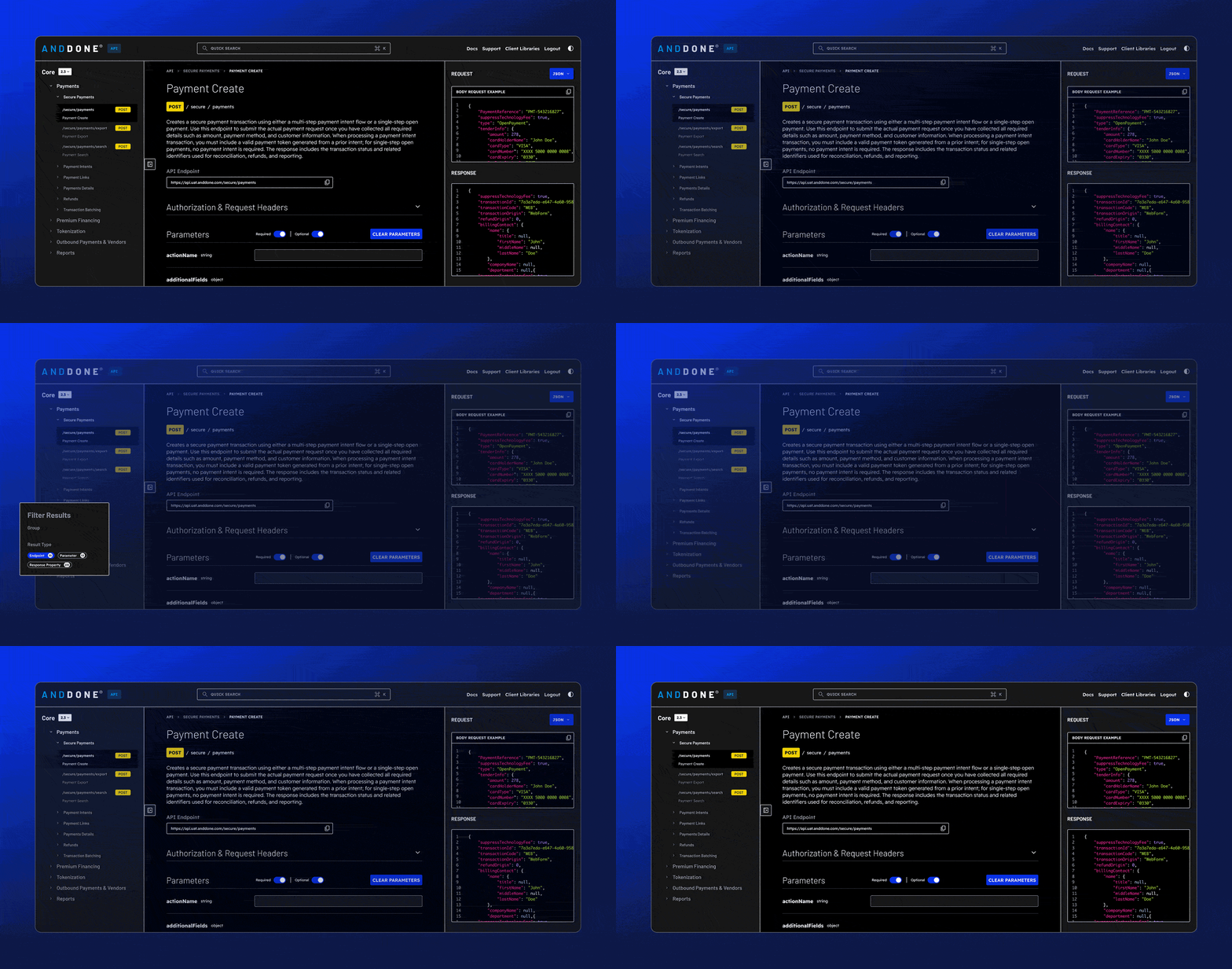
That is also why tools like API Explorer and client libraries matter. Developers need a place to test endpoints, review request and response structures, generate code snippets, and understand how the API behaves before they reach production. They need reusable tools that reduce boilerplate and get them to a working integration faster.
That is the right kind of investment.
Because the goal is not only to have an API. The goal is to make the API usable.
There is a big difference between the two.
A technically possible integration and a developer-friendly integration are not the same thing. One says, You can build this. The other says, You can build this with confidence.
Insurance has enough complexity already. Developers should not have to fight unnecessary ambiguity to bring payment capabilities into the systems teams already use. They should have a clear path from idea to test to launch.
This matters for agencies and wholesalers. It matters for carriers. It matters for platforms. It matters for insurtechs. It especially matters as more financial experiences become embedded into the systems people already depend on.
The future of insurance payments is not only the screen the customer sees.
It is the infrastructure, tools, documentation, and developer experience that make that screen possible.
See the API in Action
Test endpoints, review request and response structures, and get from idea to integration faster.