Insurance Payments Are Not Generic Payments

Chase CourtneyJuly 24, 2026

Insurance platforms are being asked to do more.
Their customers want more complete workflows. They want fewer handoffs. They want payments, financing, reporting, and account activity to feel like part of the experience they already use.
That creates a more important question for platform teams:
How do we choose the right payments partner?
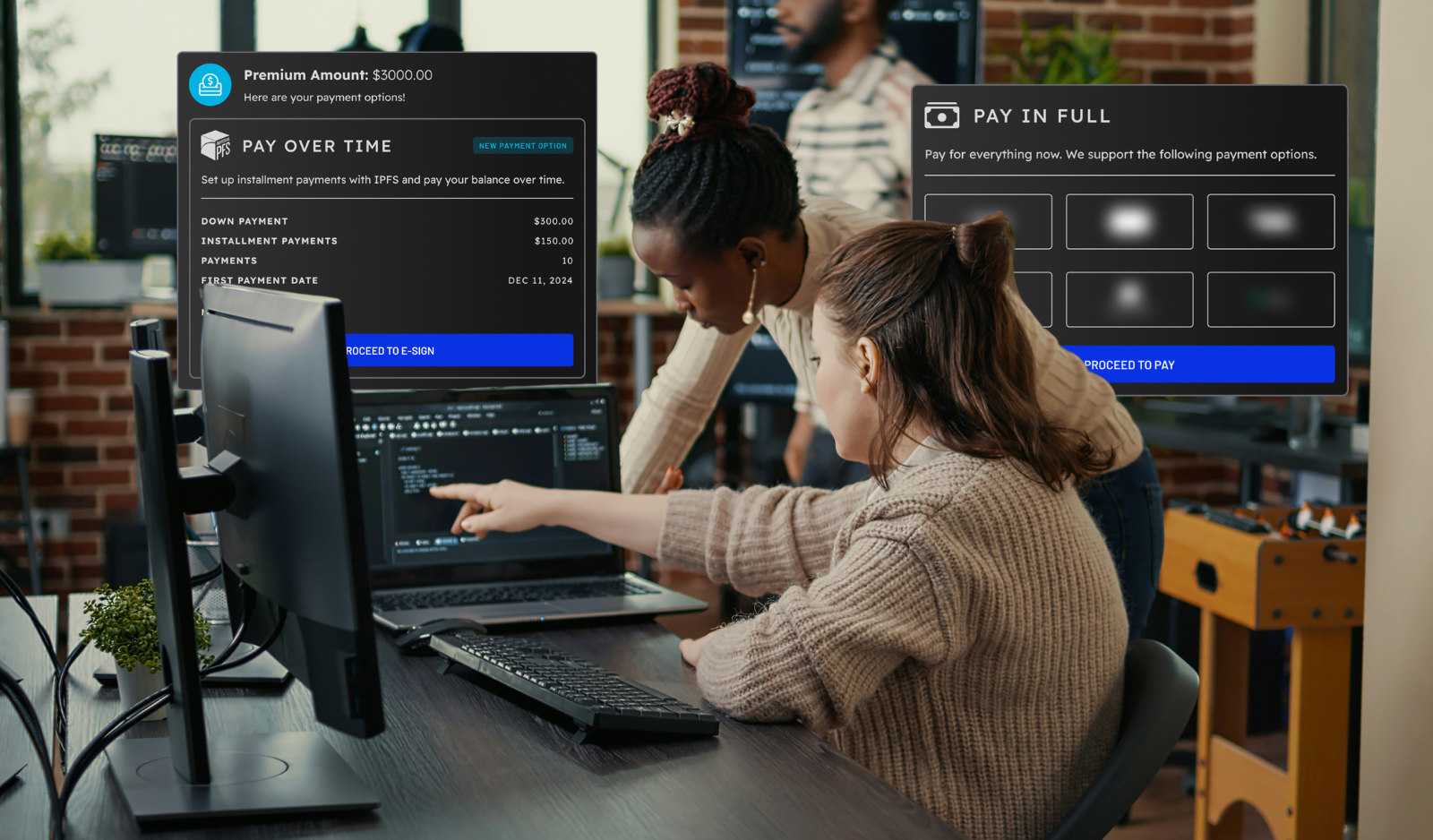
The answer should go well beyond basic payment acceptance. Platforms need infrastructure that can support the complexity of insurance transactions while preserving control over the customer experience.
These are not minor technical considerations. They determine whether payments become a seamless part of the platform or another disconnected system its customers must manage.
A platform may want to own the customer experience. That does not mean it needs to build every layer of the payment infrastructure from scratch.
That is the purpose behind AndDone Ally.


Ally is the platform-enablement story for organizations that manage multiple customers, accounts, or partners and need more control over payments without building the infrastructure themselves. The idea is simple: connect once, manage many, and bring payment capabilities into the platform experience customers already use.
That is a future-facing idea grounded in a very practical need.
Platforms want to create better experiences for their customers. Their customers want payments to work inside the platform they already use. Nobody wants another disconnected process unless it is absolutely necessary.
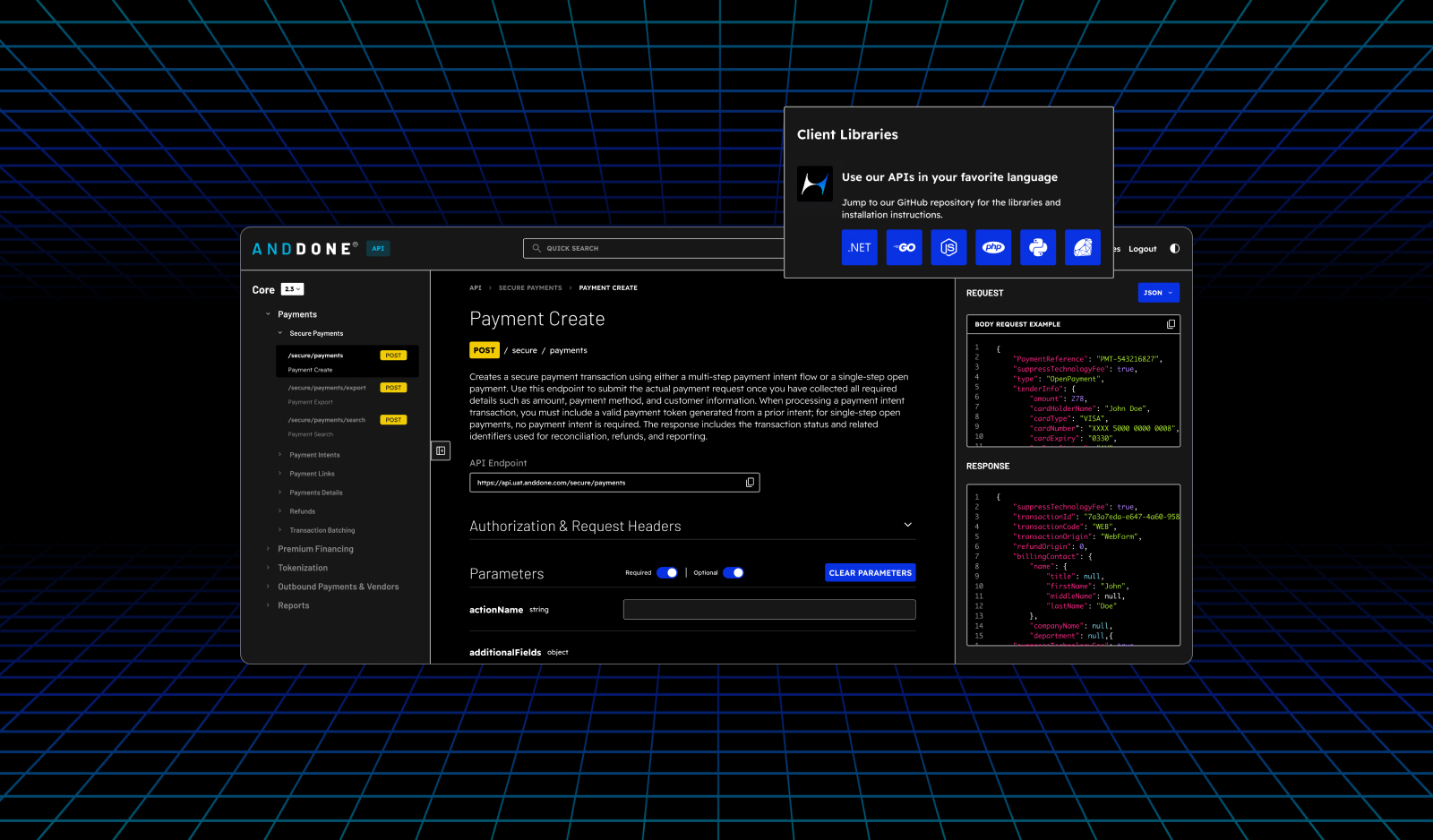
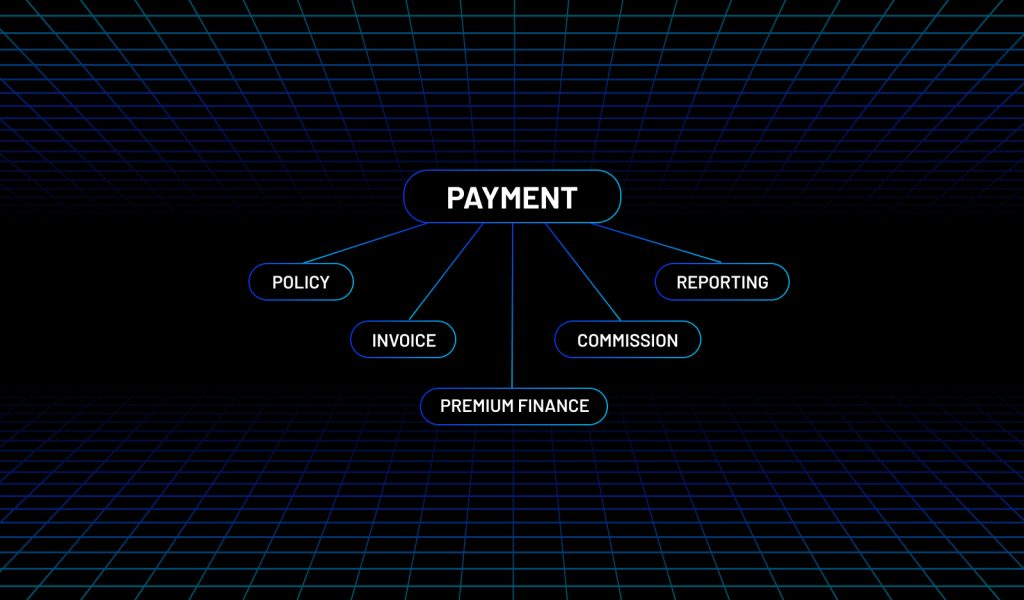
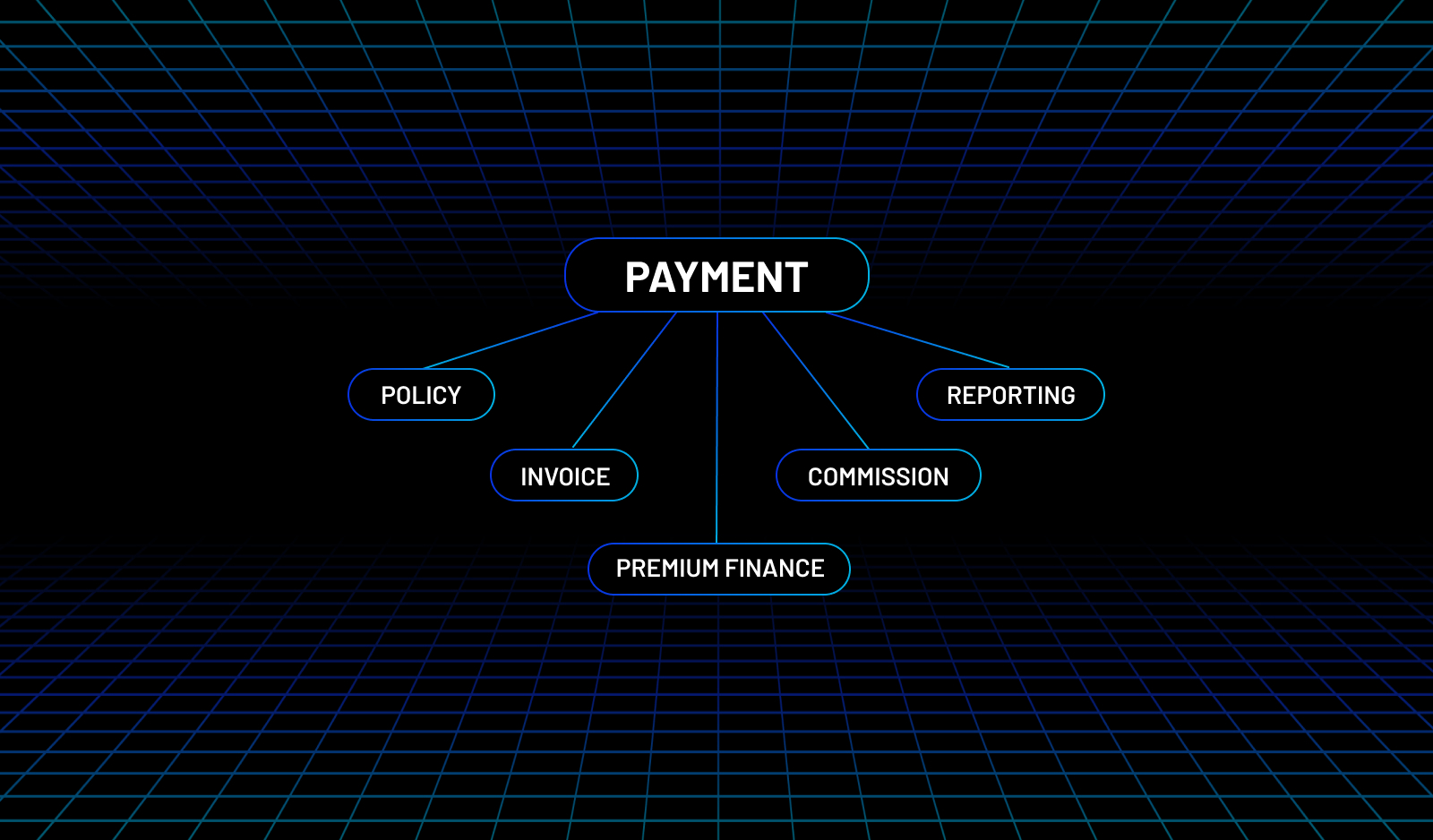
The right enablement model gives platforms a way to create and manage customer accounts, support payment methods and preferences, oversee users, manage sub-customers, track payment activity, and understand reporting from one place. It also gives developers an API-first path to build the right experience inside the platform.
That is where the market is heading.
Insurance platforms will increasingly be judged by how complete their workflows feel. If a platform handles the policy workflow but sends customers somewhere else for payment, financing, or reporting, there is still a gap in the experience. Sometimes that gap is manageable. Sometimes it becomes a source of friction.
The opportunity is to close that gap without making platform teams take on every burden themselves.
In the future, more platforms will look for payment partners that do three things well:
That combination matters.
Payment infrastructure is not only about moving money. It is about enabling the platform to deliver a better experience to its customers.
That is the shift more insurance platforms will recognize.
They do not need to build everything. They need to build the right experience and partner for the right infrastructure.
Ready to see how AndDone Ally works?
Explore the platform-enablement story and see what connected payment infrastructure looks like in practice.